The Wandering Monster: A Black Hole Weighing a Million Suns Was Caught Eating a Star 30,000 Light-Years From Home
Astronomers caught a ~1 million solar-mass black hole shredding a star 30,000 light-years from its galaxy's center — the first tidal disruption event ever seen this far from a galactic core, ten times farther than the previous record.
An Invisible Monster, Caught Mid-Meal
 Deep space filled with stars
The Catch
| Quantity | Value |
|---|---|
| Black hole mass | ~1 million × Sun |
| Distance from galaxy core | ~30,000 light-years (9.3 kpc) |
| Previous record | ~2,600 light-years (2024) |
| Peak flare | ~10 billion Suns of light |
| Flare temperature | ~54,000°F / 30,000°C |
Ten Times Farther Than the Record
How Does a Black Hole Lose Its Home?
The Only Reason We Saw It
Timeline of the Discovery
- November 2025 — ZTF's survey cameras catch a sudden flare; an AI classifier flags it as a tidal disruption event.
- Early 2026 — SOAR, Swift, and LDT confirm the spectrum and pin down the host galaxy.
- July 27, 2026 — Stein et al. publish in ApJ Letters 1006, L57: the TDE lies 30,000 ly from the core — ten times farther than any before.
- Next decade — Rubin and Roman are expected to find dozens to hundreds of these each year.
Related Explanations
View All →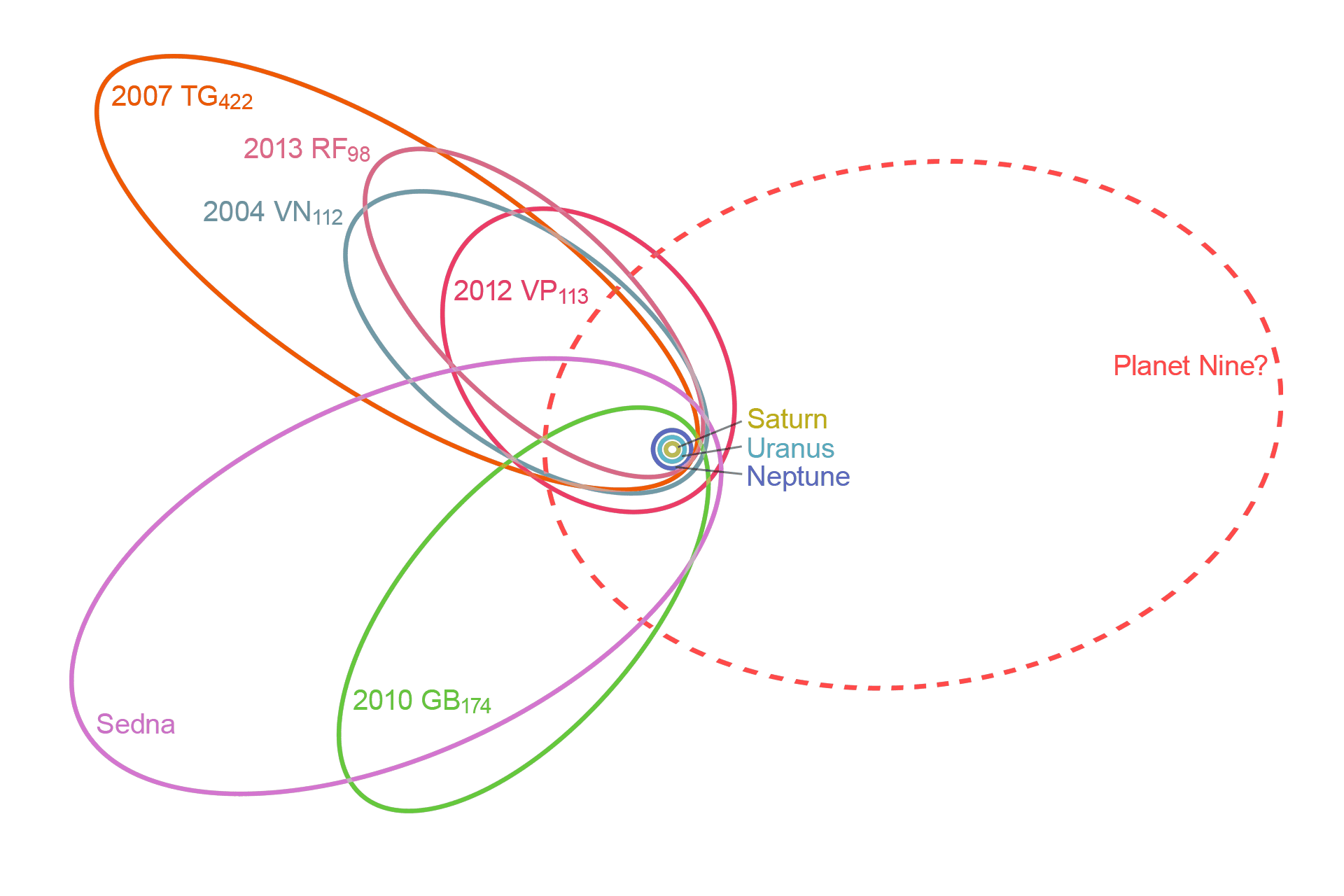
Planet Nine: The Hidden World That Might Be Real — And the Telescope That Will Find It
A massive planet may be hiding at the edge of our solar system — 400+ AU from the Sun, five to ten times Earth's mass, detectable only by the orbital chaos it causes in distant Kuiper Belt objects. The Vera Rubin Observatory began its 10-year survey in June 2026 and expects a definitive answer by late 2027.
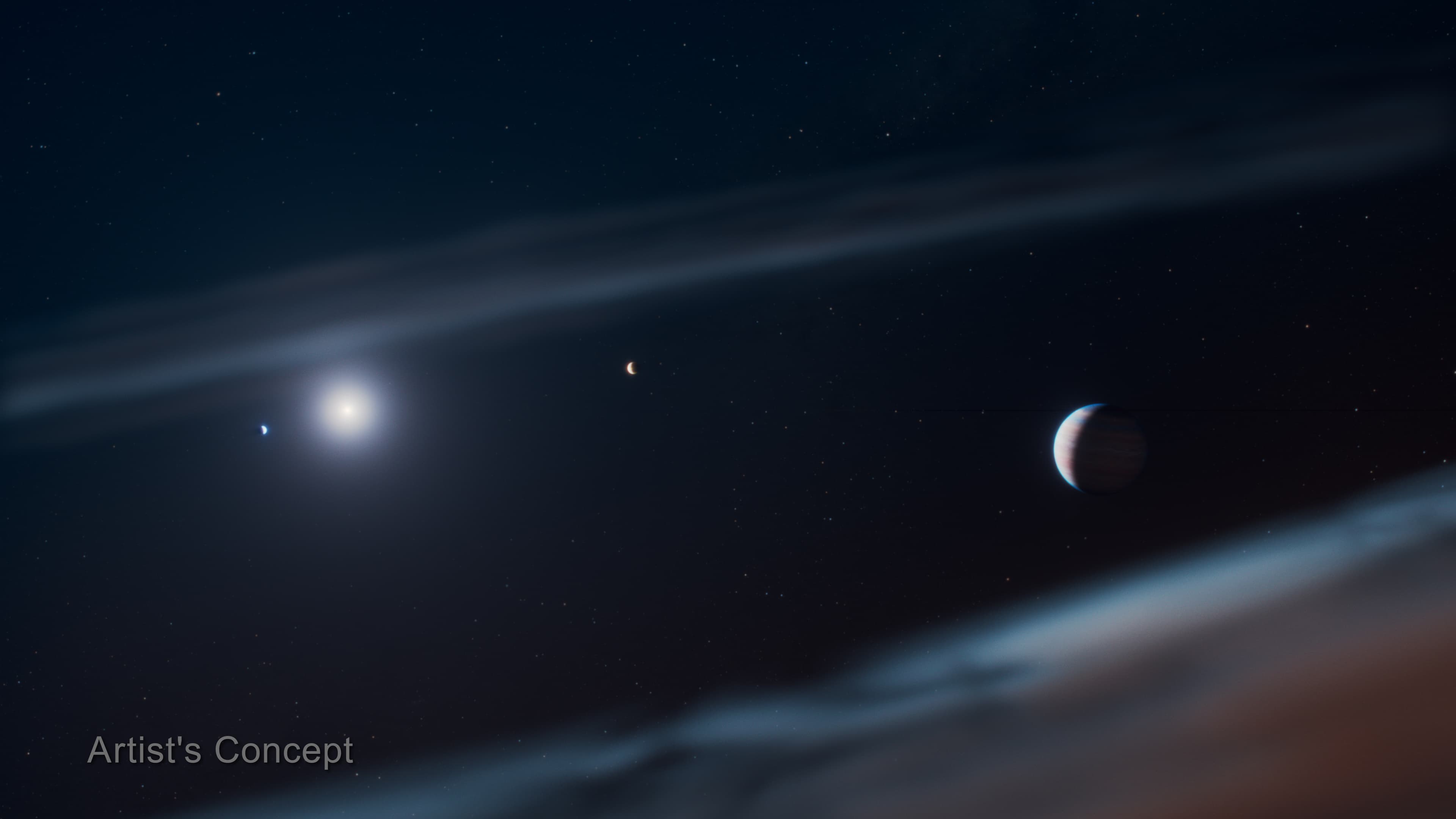
Beta Pictoris d: The Hidden Giant Found by Smelling Its Atmosphere, Not Photographing It
A giant planet hid inside images of Beta Pictoris for eleven years — invisible, because it was never a dot of light. Two teams found it independently the same week, one in decade-old archives and one by reading the chemistry of its atmosphere. This is how Beta Pictoris d was finally caught.
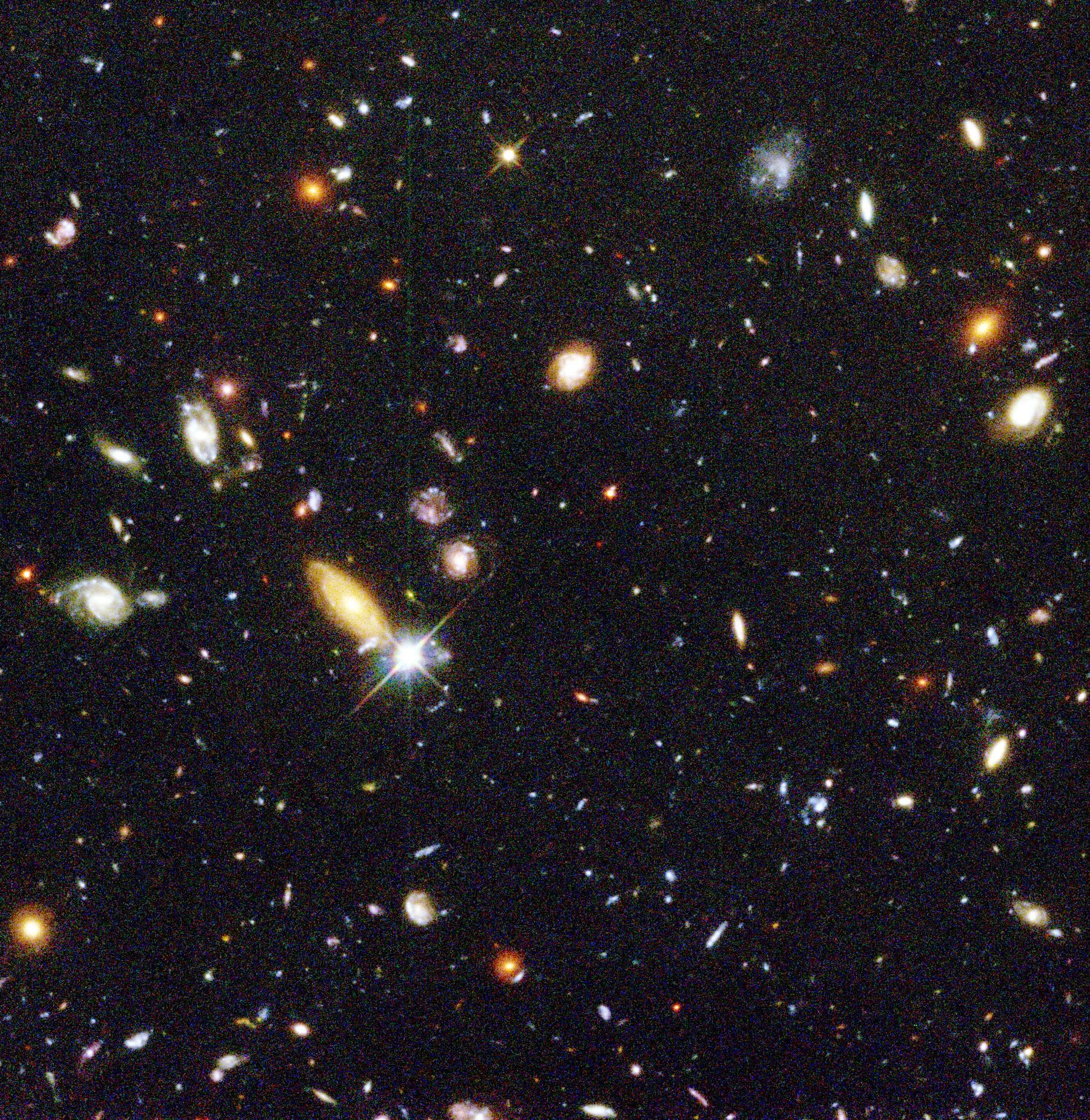
The End of the Universe: A Countdown From the Last Star to Heat Death
Every star that has ever shone will one day go out. The universe is dying — and it has been dying since the moment it was born. Here is the countdown to nothing: the complete far-future timeline from the death of our Sun to the final heat death of everything.