BALLS on the Moon: China Set to Launch Africa's 1st Lunar Science Mission in 2029
Africa's first space exploration mission aims to send a trio of spherical probes named BALLS to the lunar south pole aboard China's Chang'e-8 lander in 2029.
Prologue: Hearing the Dawn of the Universe
 Africa2Moon BALLS probes illustration
A Historic Milestone: Africa's First Lunar Payload
BALLS — Bounced African Low Lunar Sphere
"If this is successful, it will ignite the reality of space on the African continent."
— Dr. Carla Mitchell, Mission Director of Africa2Moon & Africa Program Manager at SARAO
 Carla Mitchell and Japie Ludick with BALLS prototype
Technical Innovation: How BALLS Works
       [ Chang'e-8 Lunar Lander ]
                  │
        ┌─────────┼─────────┐
        ▼         ▼         ▼
     (Sphere 1) (Sphere 2) (Sphere 3)
        │         │         │
        └──── Wireless Mesh ────┘
                  │
     [ Tri-Sphere Lunar Radio Array ]
Engineering & Hardware Specifications
- Stellenbosch University Electronics: The functional electronics and wireless communications model were developed by the Electronic Systems Laboratory (ESL) at Stellenbosch University, led by specialized engineering teams.
- Spherical Structural Shell: Each metal frame sphere encloses tetrahedral solar panels, insulating internal avionics while allowing the spheres to roll and settle naturally into stable ground orientations regardless of initial landing tilt.
- Inter-Sphere Wireless Data Links: During ground testing, the spheres demonstrated autonomous data relaying between the nodes and a mock lander unit across multi-hundred-meter baselines.
- Vibration & Thermal Testing: Structural test models underwent rigorous vibration and vacuum thermal testing conducted by SARAO engineer Japie Ludick to ensure survival during Long March rocket launch loads and extreme lunar night temperatures (-180°C to +120°C).
 BALLS Electronics Model at Stellenbosch
Strategic Significance: Why the Lunar South Pole?
+-------------------------------------------------------------------+
|                        EARTH ATMOSPHERE                           |
|   Ionosphere Shield (Bounces frequencies < 20 MHz back to space)  |
|   Man-Made Interference (Cell towers, Wi-Fi, Satellites, Radar)   |
+-------------------------------------------------------------------+
                                   │
                                   ▼
+-------------------------------------------------------------------+
|                        LUNAR SOUTH POLE                           |
|   Zero Ionospheric Distortion                                     |
|   Shielded from Earth RFI noise by the Moon's physical body       |
|   Pristine observation window into 0.1 MHz - 30 MHz universe      |
+-------------------------------------------------------------------+
- Uninterrupted Low-Frequency Window: Astronomers will record radio emissions below 20 MHz for the first time without atmospheric absorption.
- Natural RF Shielding: The physical mass of the Moon shields the array from terrestrial radio noise.
- Pathfinder for 55-Antenna Array: BALLS is a technology demonstrator for Africa2Moon's ultimate vision — erecting a full-scale array of 55 antennas on the Moon, symbolizing one for every nation on the African continent.
 Artemis II Earthrise Far Side View
Authority & Mission Roadmap Summary
| Parameter / Metric | Official Mission Data |
|---|---|
| Official Mission Title | Africa2Moon Bounced African Low Lunar Sphere (BALLS) |
| Primary Launch Partner | China National Space Administration (CNSA) - Chang'e-8 |
| Scheduled Launch Date | 2029 |
| Primary Target Region | Lunar South Pole / South Pole-Aitken Basin |
| Lead Institutions | Foundation for Space Development Africa, SARAO, SANSA, Stellenbosch University |
| Mission Director | Dr. Carla Mitchell (SARAO Africa Program Manager) |
| Key Systems Engineer | Japie Ludick (SARAO) |
| Payload Configuration | 3 Autonomous Spherical Probes forming a Radio Array |
| Observed Bandwidth | Below 20 MHz (Cosmic Dark Ages 21cm Redshifted Hydrogen) |
| Long-Term Vision | 55-element African Lunar Radio Observatory |
Conclusion: Africa's Arrival in Deep Space
Related Explanations
View All →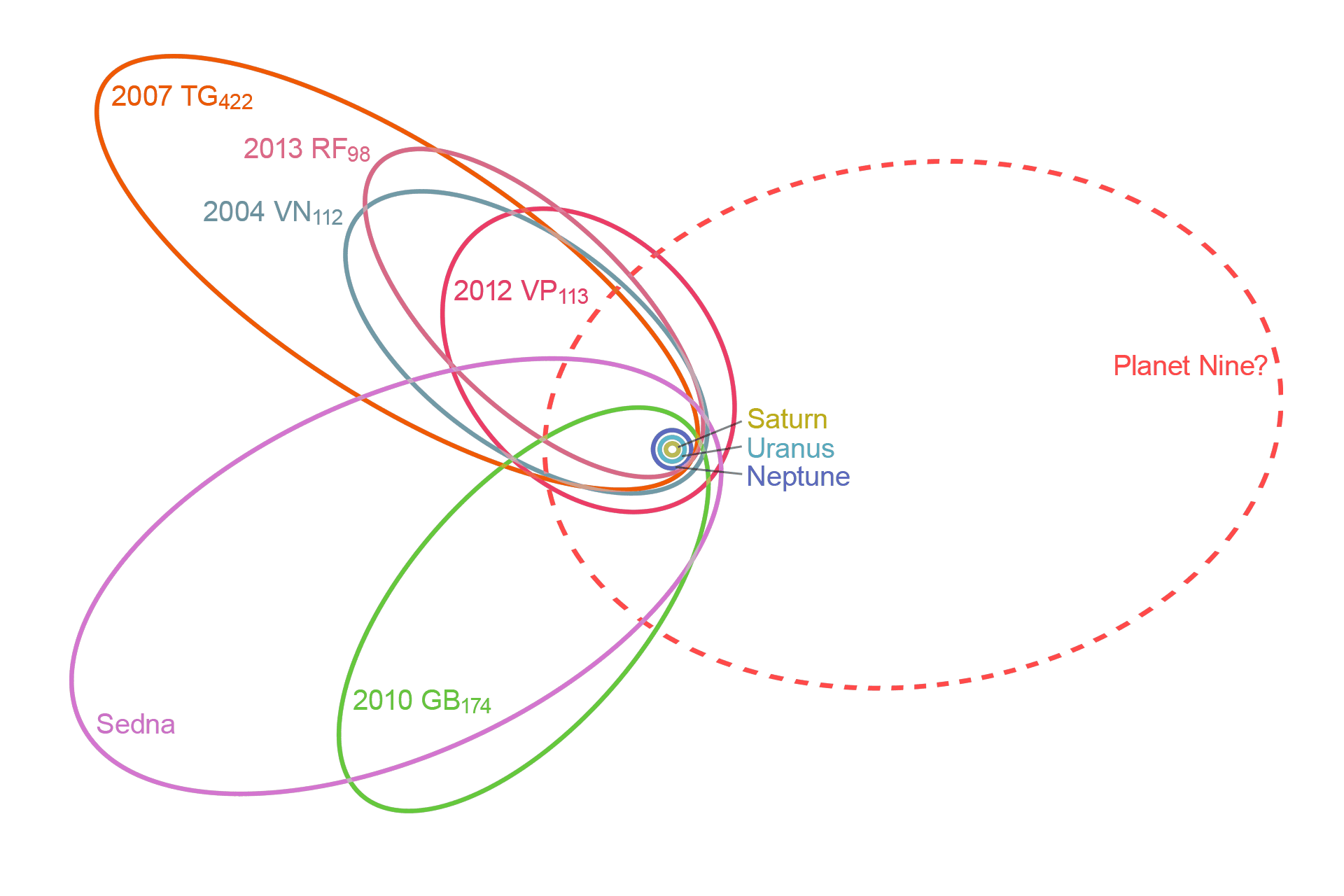
Planet Nine: The Hidden World That Might Be Real — And the Telescope That Will Find It
A massive planet may be hiding at the edge of our solar system — 400+ AU from the Sun, five to ten times Earth's mass, detectable only by the orbital chaos it causes in distant Kuiper Belt objects. The Vera Rubin Observatory began its 10-year survey in June 2026 and expects a definitive answer by late 2027.
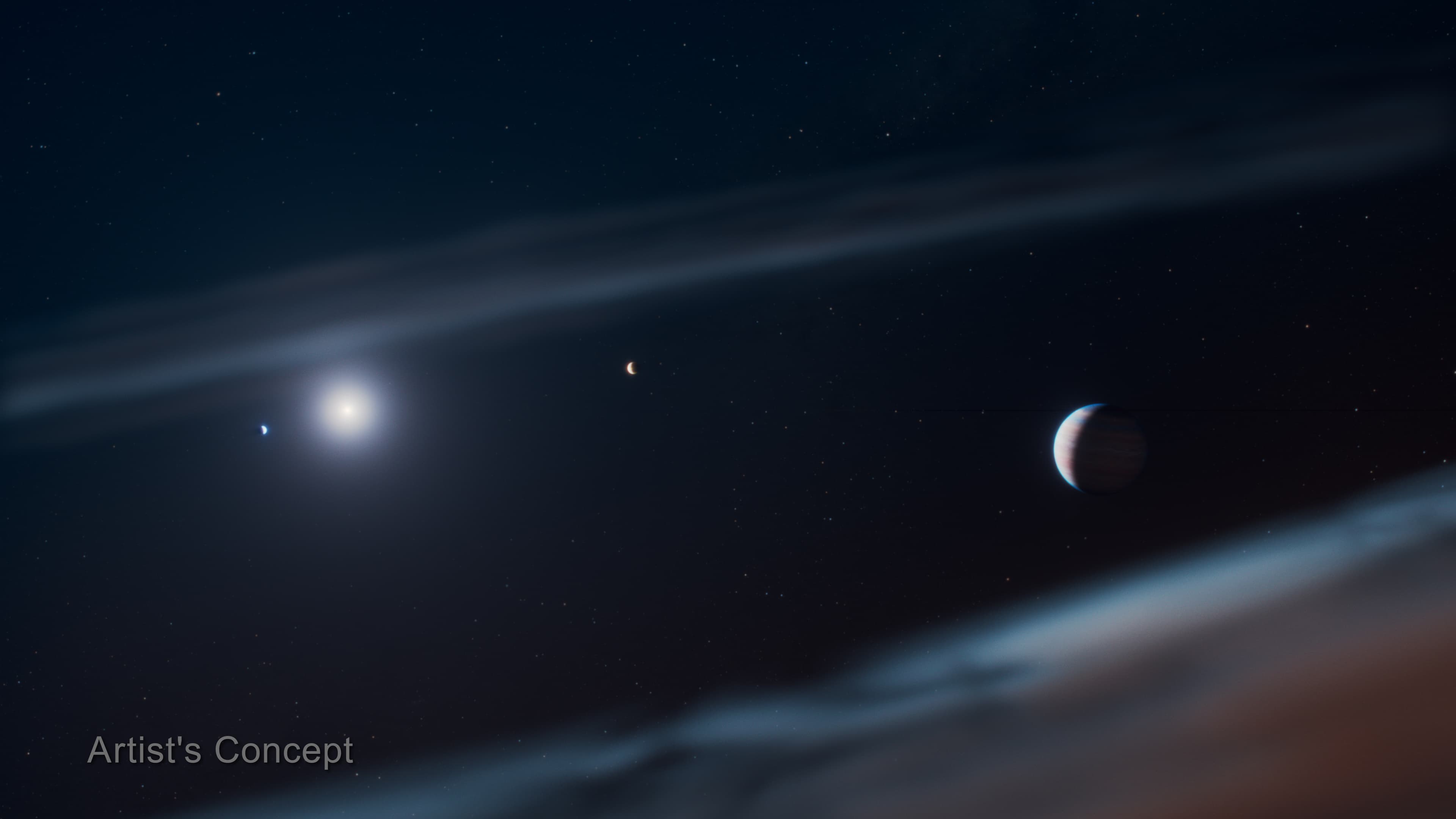
Beta Pictoris d: The Hidden Giant Found by Smelling Its Atmosphere, Not Photographing It
A giant planet hid inside images of Beta Pictoris for eleven years — invisible, because it was never a dot of light. Two teams found it independently the same week, one in decade-old archives and one by reading the chemistry of its atmosphere. This is how Beta Pictoris d was finally caught.
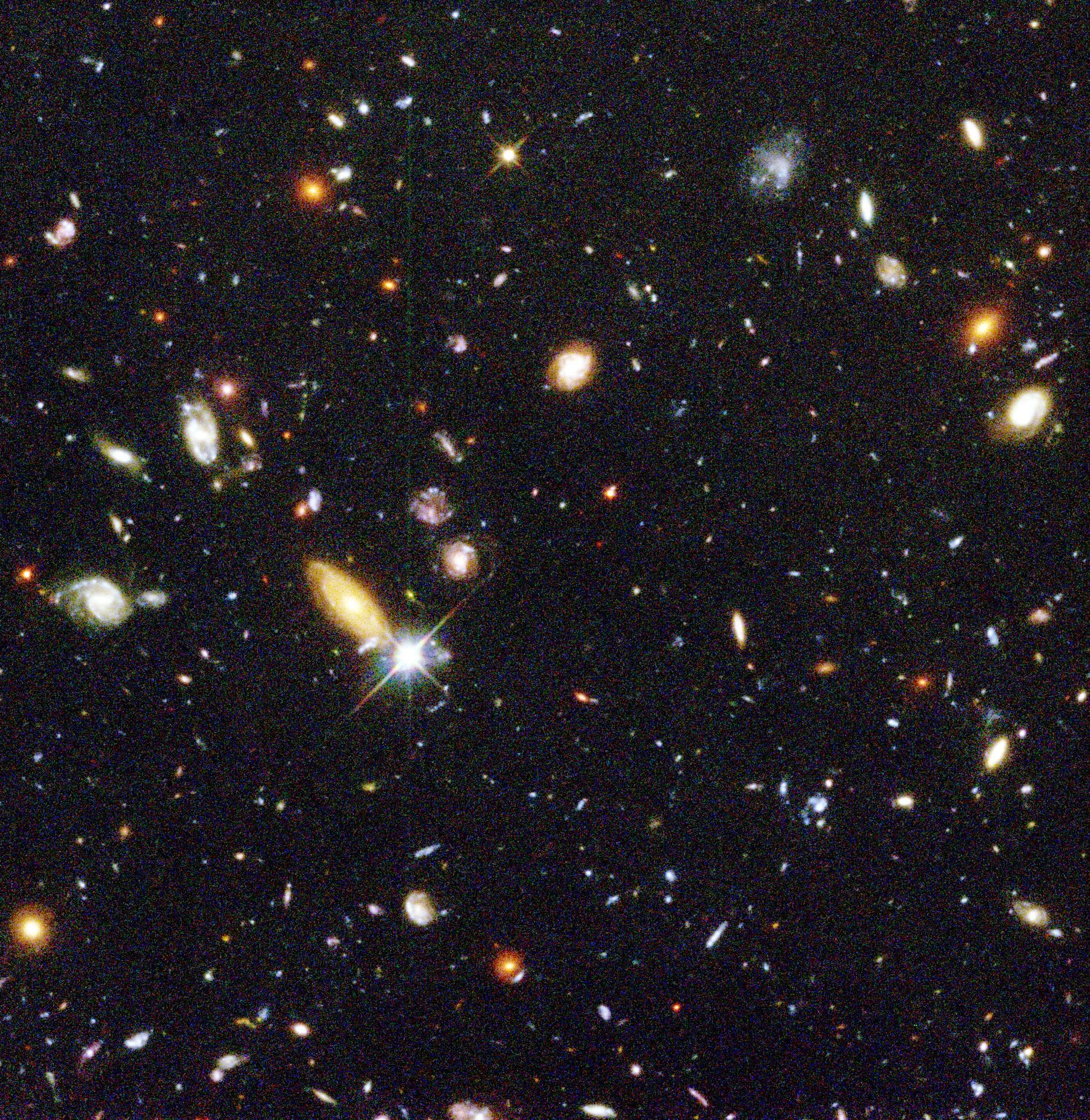
The End of the Universe: A Countdown From the Last Star to Heat Death
Every star that has ever shone will one day go out. The universe is dying — and it has been dying since the moment it was born. Here is the countdown to nothing: the complete far-future timeline from the death of our Sun to the final heat death of everything.