The End of the Universe: A Countdown From the Last Star to Heat Death
Every star that has ever shone will one day go out. The universe is dying — and it has been dying since the moment it was born. This is the complete timeline to nothing: from our Sun's death in 5 billion years, to red dwarfs that smolder for 10 trillion years, to evaporating black holes, to the final heat death when nothing changes ever again.
Every Star That Has Ever Shone Will Go Out
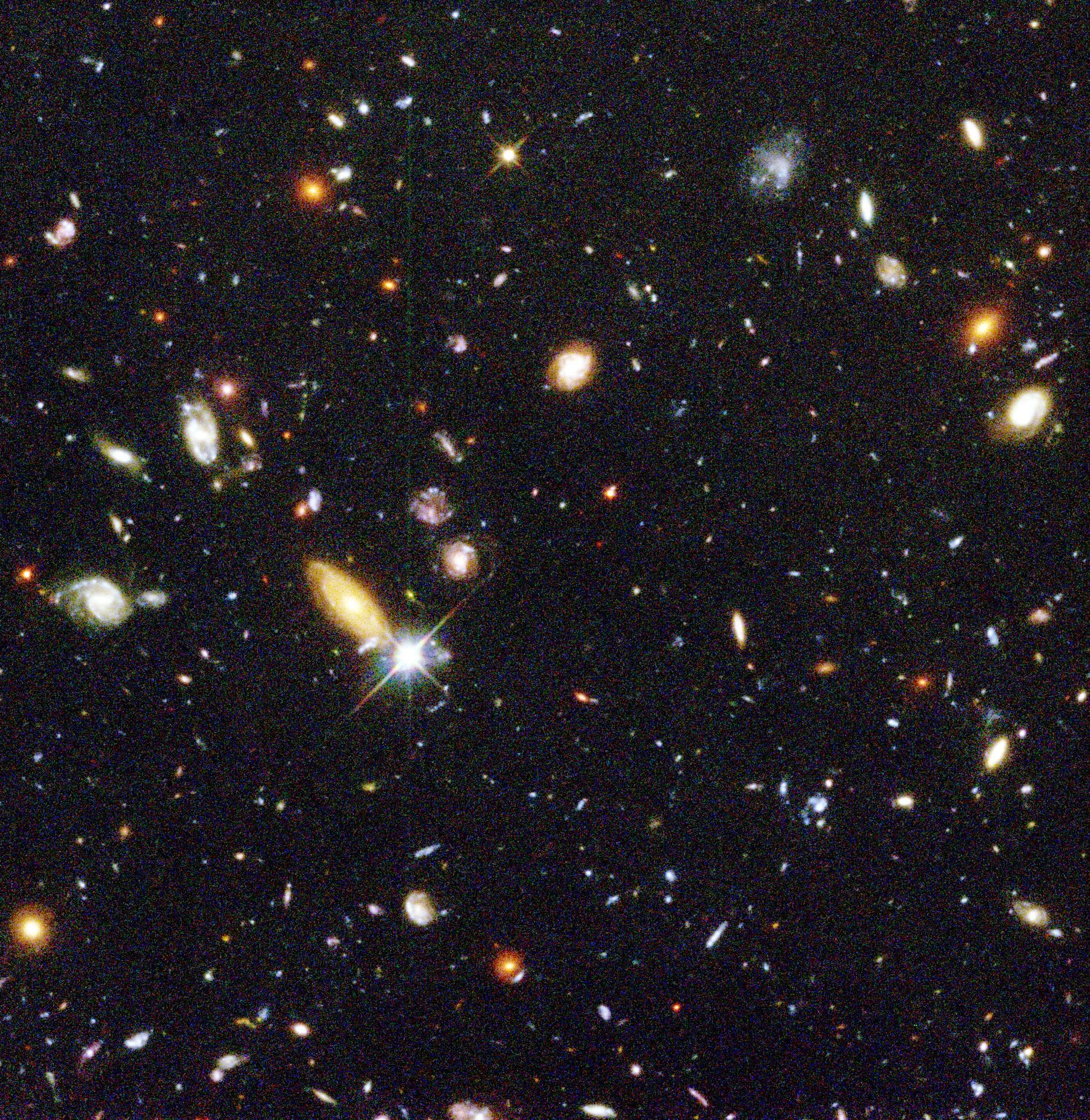 The Hubble Deep Field: thousands of galaxies alight in a single patch of sky — NASA/ESA
Stage 1: Our Sun Dies (5 Billion Years)
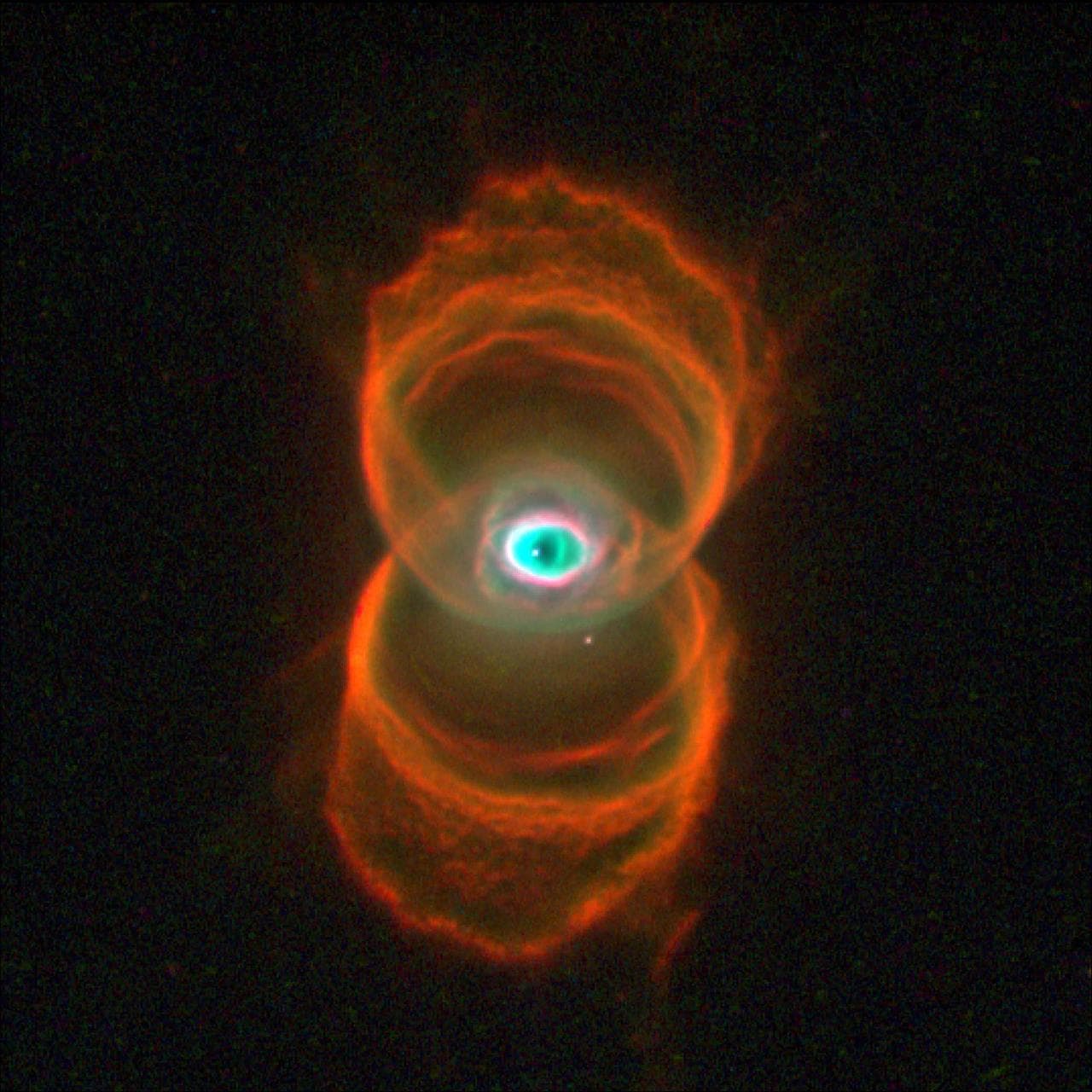 The hourglass nebula MyCn18 — a dying star's final exhale
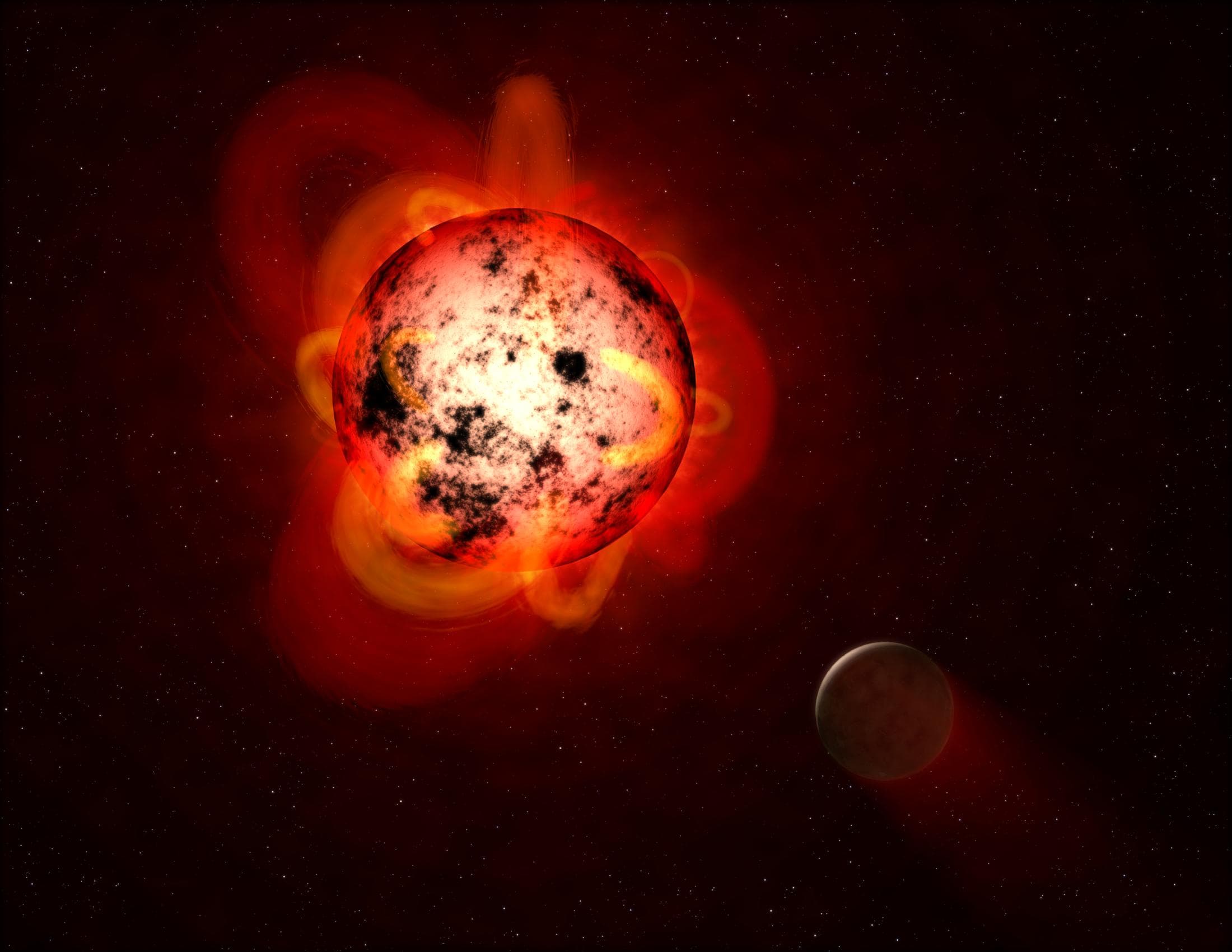 A red dwarf star — the universe's last candle
Stage 2: The Last Stars Die (100 Trillion Years)
Stage 3: The Degenerate Era (A Graveyard of Embers)
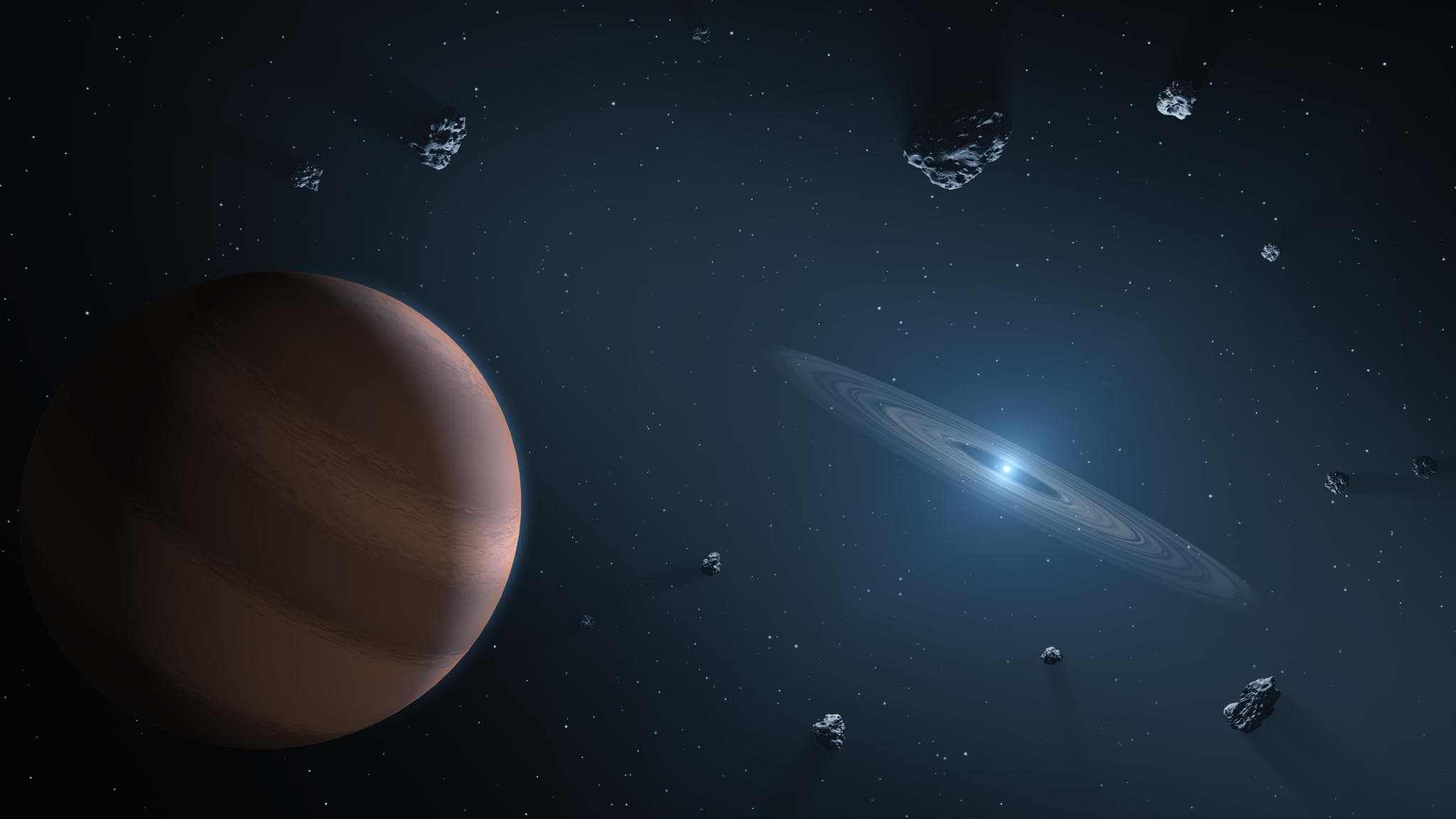 A white dwarf — a collapsed ember of a star
Stage 4: Atoms Dissolve (10^43 Years)
Stage 5: Black Holes Evaporate (Googol Years)
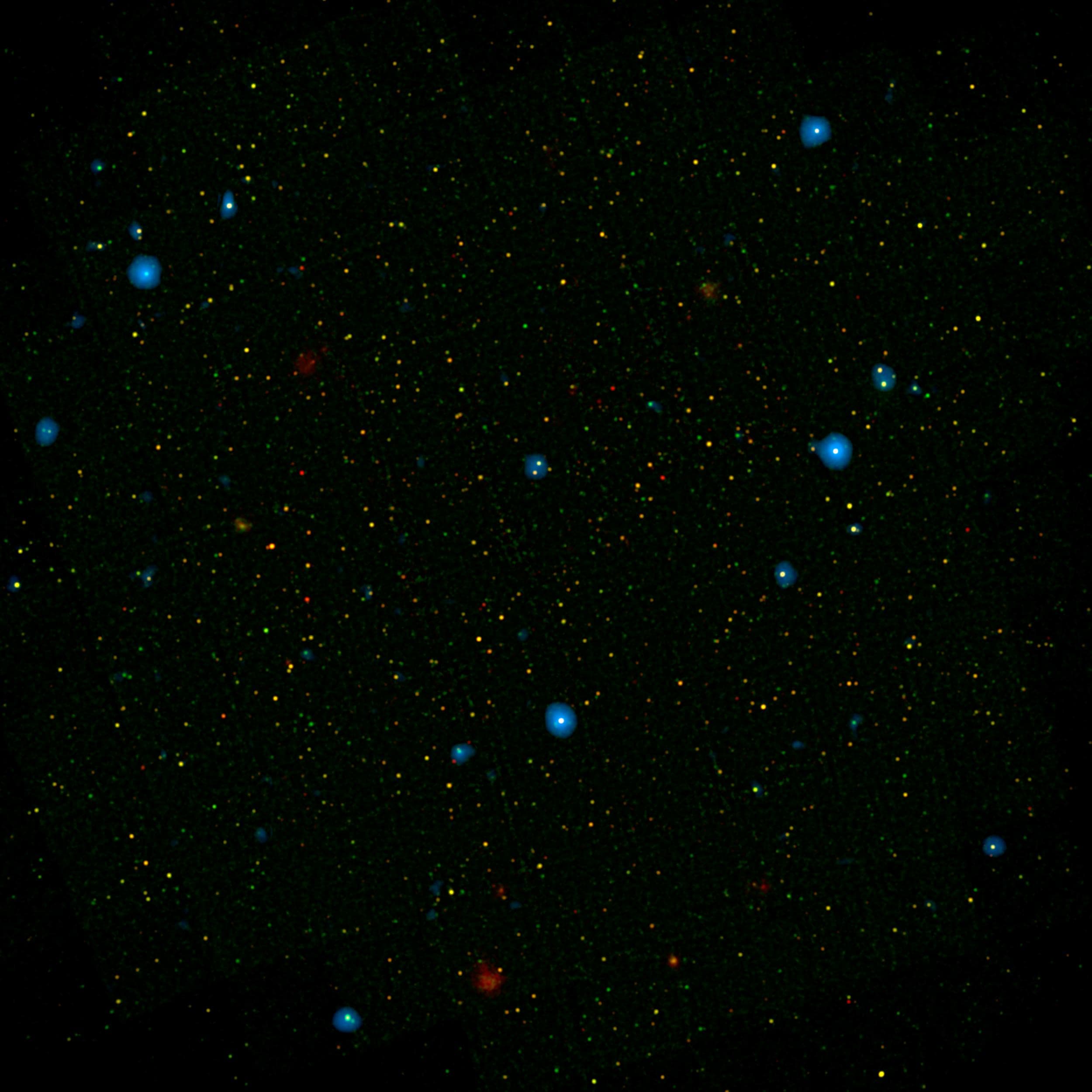 A supermassive black hole — even these eventually die — NASA/JPL-Caltech
Stage 6: Heat Death (The End of Everything)
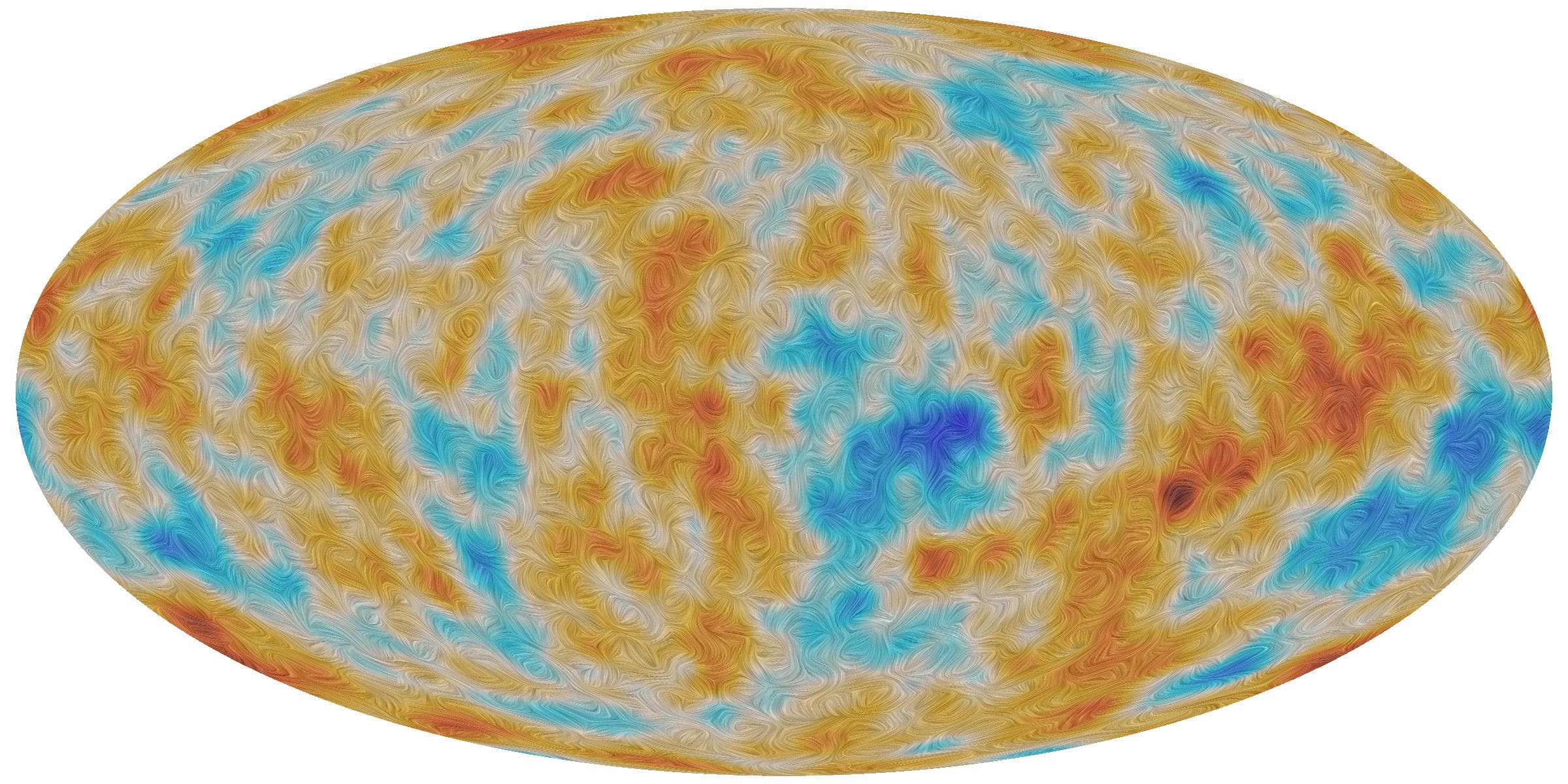 The cosmic microwave background — the fading afterglow of creation
The Full Countdown, In One Table
| Event | Time From Now | What Happens |
|---|---|---|
| The universe today | 0 years | 13.8 billion years old; 2 trillion galaxies alight |
| Sun becomes red giant | ~5 billion years | Mercury and Venus swallowed; Earth boiled |
| Sun collapses to white dwarf | ~5 billion years | A faint ember cooling forever |
| Red dwarfs die | ~10 trillion years | The last stars go out — the universe goes dark |
| Star formation ends | ~100 trillion years | No new stars, ever |
| Degenerate era | 100 trillion – 10^43 years | White dwarfs, neutron stars, and dead planets cool toward empty space |
| Atoms dissolve | ~10^43 years | Matter itself decays into light (if protons decay) |
| Black holes evaporate | 10^67 – 10^100 years | Solar-mass holes die first; supermassive ones last a googol years |
| Heat death | ~10^100 years and beyond | Perfect equilibrium; nothing changes, ever |
The Haunting Part
Related Explanations
View All →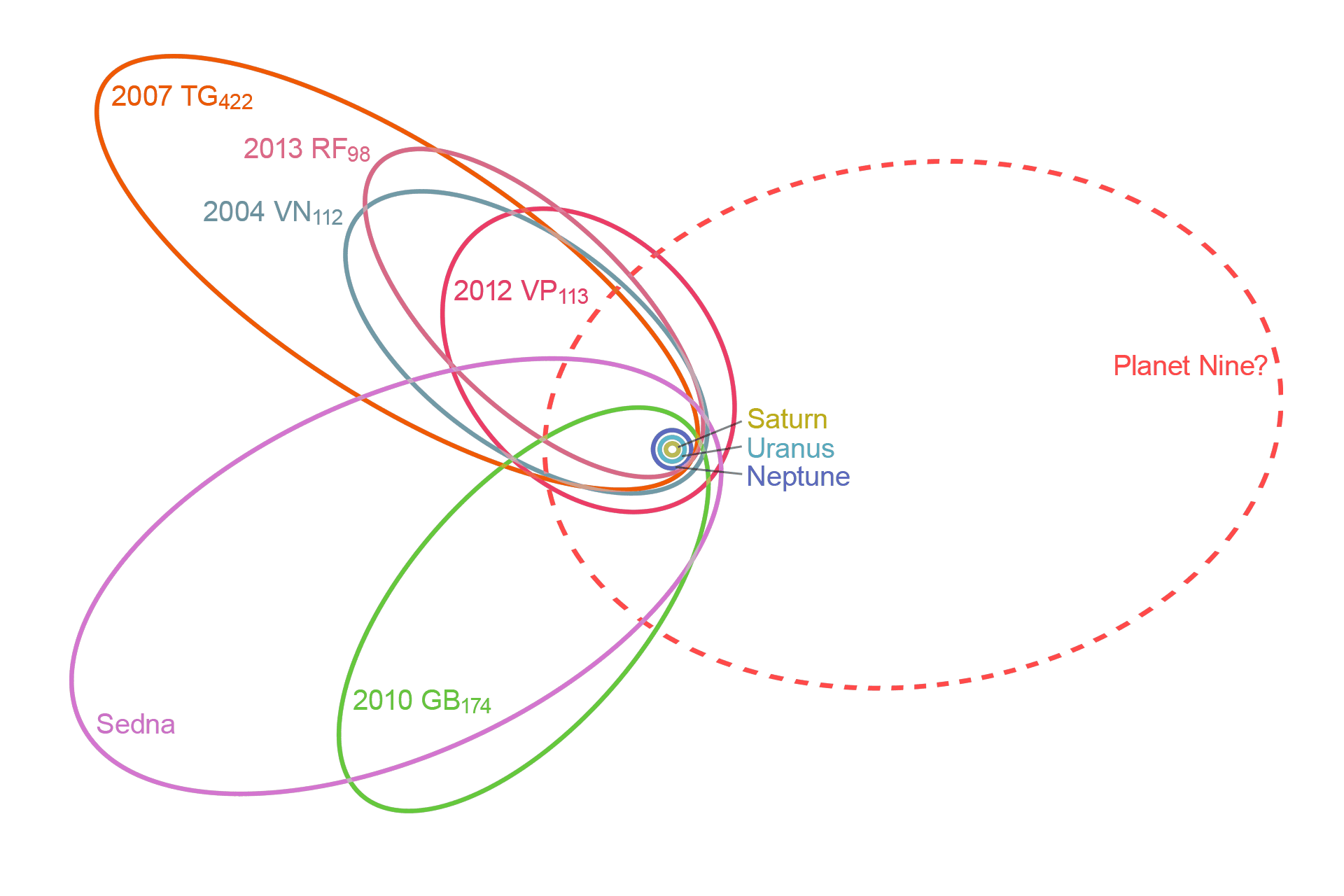
Planet Nine: The Hidden World That Might Be Real — And the Telescope That Will Find It
A massive planet may be hiding at the edge of our solar system — 400+ AU from the Sun, five to ten times Earth's mass, detectable only by the orbital chaos it causes in distant Kuiper Belt objects. The Vera Rubin Observatory began its 10-year survey in June 2026 and expects a definitive answer by late 2027.
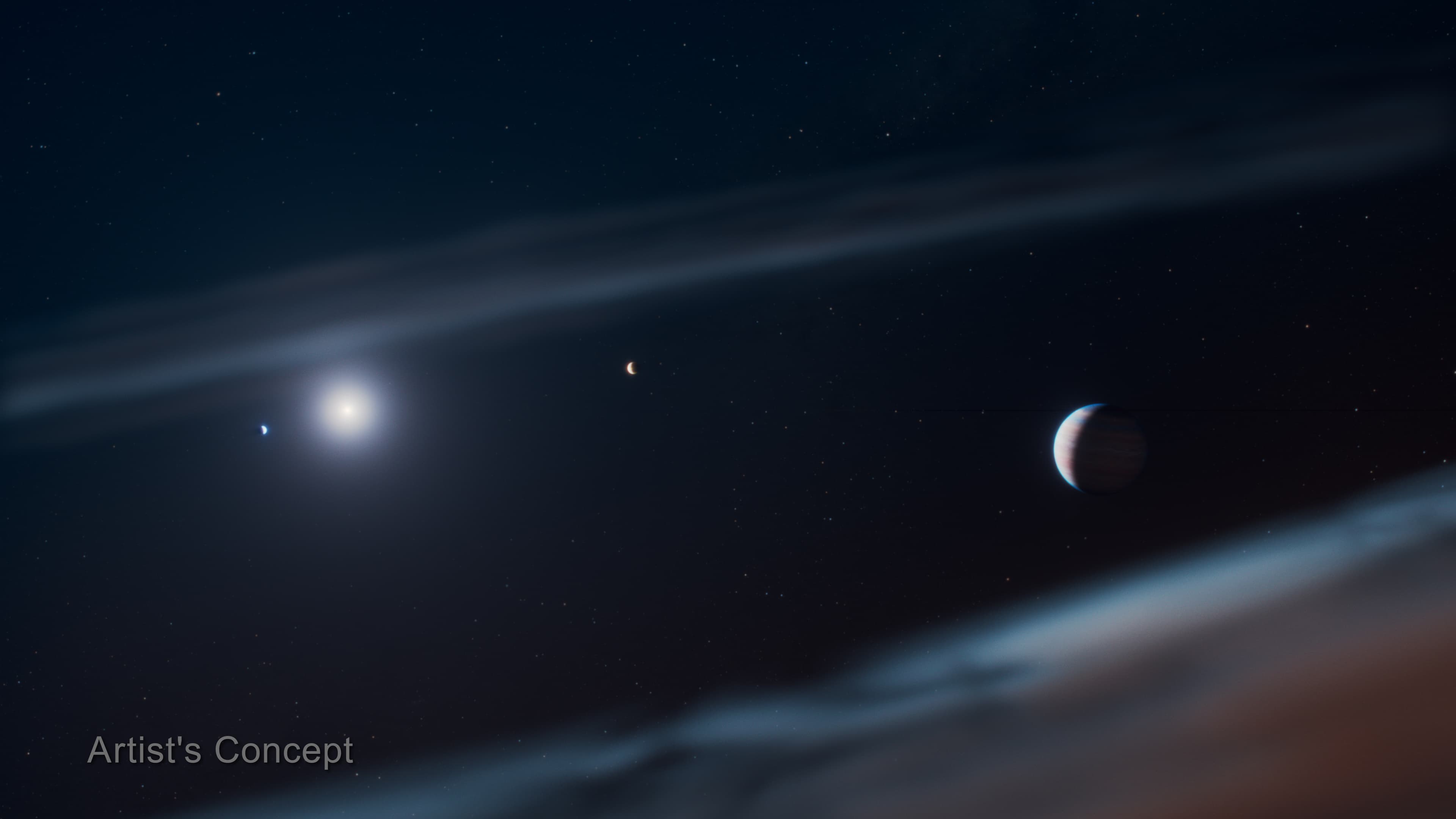
Beta Pictoris d: The Hidden Giant Found by Smelling Its Atmosphere, Not Photographing It
A giant planet hid inside images of Beta Pictoris for eleven years — invisible, because it was never a dot of light. Two teams found it independently the same week, one in decade-old archives and one by reading the chemistry of its atmosphere. This is how Beta Pictoris d was finally caught.

The Wandering Monster: A Black Hole Weighing a Million Suns Was Caught Eating a Star 30,000 Light-Years From Home
A black hole weighing a million Suns was caught tearing a star apart — 30,000 light-years from its galaxy's center. Astronomers have never seen a supermassive black hole this far from home. This is the story of TDE 2025abcr, the wandering monster.